Kennametal End Mills, Rush Orders & the Real Cost of Cheap Tooling – A Machinist's FAQ
-
1. Why are Kennametal end mills worth the extra cost for rush jobs?
-
2. Are Kennametal ceramic end mills actually better for high-speed machining?
-
3. How do Kennametal tool holders and inserts compare to cheaper imports?
-
4. What should I look for when buying an industrial CNC lathe machine or its tooling?
-
5. Can you cut cardboard with a laser cutter? And why that question matters?
-
6. How do you evaluate a China top label laser cutter supplier with a value-first mindset?
Got a machine shop emergency and no time to research? Over the last eight years, I've coordinated over 200 rush orders for clients who needed parts yesterday. I'm not a consultant or a salesperson. I'm the guy who answers the phone when a deadline is shrinking. This FAQ is based on what actually happens when the clock is ticking. If you're wondering whether Kennametal tools are worth the premium, or if a cheap laser cutter quote is a good idea, read on.
1. Why are Kennametal end mills worth the extra cost for rush jobs?
People assume rush orders just mean working faster. The reality is they require a completely different approach to tooling. I've seen a lot of shops try to save money on end mills, only to lose money on scrapped parts. In March 2024, we had 36 hours to make 500 aerospace brackets. The client's original vendor had used bargain end mills and broke three tools mid-run, leaving a mess. We switched to Kennametal end mills, ran the job without a single break, and delivered on time. The tooling cost us about $400 more, but the alternative was a $12,000 airfreight bill plus missed deadline penalties. I don't have hard data on industry-wide breakage rates, but from our own 200+ rush jobs, I'd say probably 80% of emergency failures trace back to cutting tools that should have been replaced long before. Cheap end mills look like a deal until they cost you a week of production. That's why I keep a set of Kennametal end mills in stock for exactly these situations. It's not just about the tool; it's about the confidence that you won't be the reason a client's line stops.
2. Are Kennametal ceramic end mills actually better for high-speed machining?
This gets into metallurgy territory, and I'm not a materials scientist. What I can tell you from the shop floor is that ceramic end mills, especially Kennametal's, shine at high speeds and high heat. In a recent test on Inconel, our Kennametal ceramic end mill ran at 1,200 SFM with a 0.003-inch chip load. A standard carbide end mill would have started smoking well before that. But ceramic is brittle; you need a rigid setup and consistent engagement. I've seen shops try to use them on a worn-out CNC lathe machine and blame the tool. It's not the tool. It's the system. So yes, they're better for certain high-speed operations, but only if you know what you're doing. If you're machining titanium or Inconel regularly, it's worth testing one. If you're just doing aluminum or mild steel, stick with carbide. Ceramic isn't a magic upgrade; it's a specialty tool that pays off in the right environment.
3. How do Kennametal tool holders and inserts compare to cheaper imports?
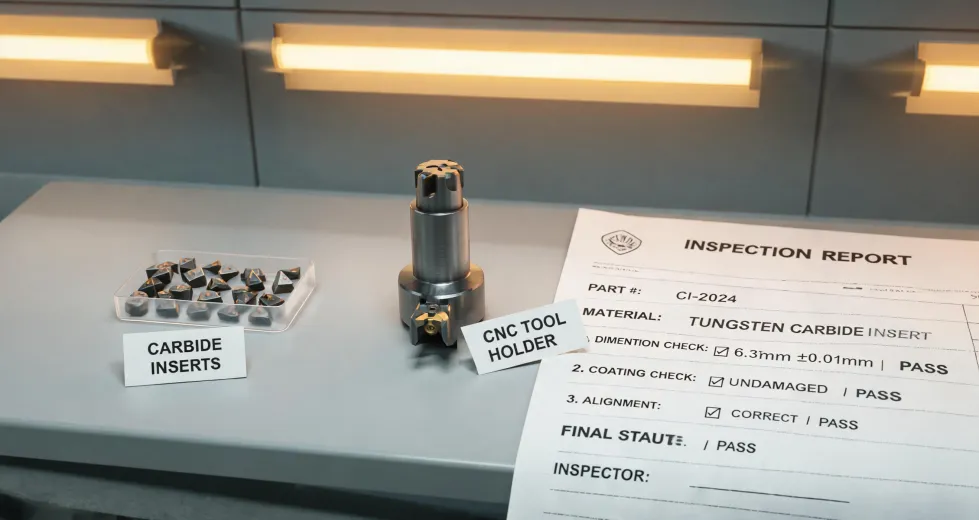
Let's talk total cost of ownership. I remember a client in 2023 who bought imported inserts at $6 each vs. Kennametal at $12. At first, it looked like a win. But the cheap inserts wore out three times faster, increased scrap by 5%, and caused two late deliveries. That $200 savings turned into a $1,500 problem when a rush order failed. According to USPS pricing, next-day shipping costs 50-100% more than standard; that's the cost of urgency. That premium doesn't buy you a faster truck; it buys you a guaranteed slot in the system. Same with Kennametal tools. The premium buys you predictable performance, which is worth real money when every hour counts. When you're paying for a rush, the last thing you need is a tool failure. Think of the extra cost as insurance. I accept that cheaper options can work for some jobs, but for rush work, I want tools I trust. We've measured the difference in our own shop, and the numbers keep pointing the same way.
4. What should I look for when buying an industrial CNC lathe machine or its tooling?
When you're shopping for an industrial CNC lathe machine, the base price is just the beginning. The tooling system you put on it can make or break your profitability. I've seen shops buy a bargain lathe because they had a tight budget, then spend twice as much on downtime when cheap tool holders failed. Kennametal makes a full range of tool holders, boring bars, and inserts that fit most CNC lathes. The question isn't just which machine to buy; it's whether your tooling can keep up with it. Also consider the supplier's technical support. With Kennametal, we get application help when we need it. With budget imports, you're often on your own. For a long-term investment, that support is part of the value. And don't forget operator training. The best tooling won't help if nobody knows how to use it. That's another hidden cost that shows up long after the initial purchase.
5. Can you cut cardboard with a laser cutter? And why that question matters?
Yes, absolutely. A laser cutter can cut cardboard cleanly and quickly. I've even used one to make fixtures in a pinch. But here's the thing: just because a tool can do a job doesn't mean it's the right tool. If your shop is deciding between investing in a laser cutter for labels or upgrading your metal cutting capability, you need to focus on your actual production needs. A $10,000 laser cutter for cardboard won't help if your main line is CNC machining. I have mixed feelings about shops that diversify into laser cutting too quickly. On one hand, it opens new revenue. On the other, it divides your attention and resources. I'd rather master one process than do two mediocre ones. That said, if you see a growing demand for custom labels or packaging, a laser cutter could be a smart addition. Just don't let it distract you from the core work that pays the bills. Ask yourself: will this tool solve a problem we actually have, or just a problem we think we might have?
6. How do you evaluate a China top label laser cutter supplier with a value-first mindset?
Overseas suppliers, including many in China, can be a good option for laser cutters or even CNC lathe machines if you do your homework. I've worked with a few Chinese vendors, and the good ones offer solid quality and great prices. But I've also seen businesses get burned by the cheapest quote. Here's what I tell people: ask for machine specs, video proof of actual cutting tests, and references from current users. Request a warranty in writing, and check what spare parts are locally available. And per FTC guidelines, any performance claim-like 'top label'-needs to be substantiated. If a supplier can't show you third-party test results or customer testimonials, that's a red flag. I always recommend a trial order before committing to a large investment. One more thing: don't forget import duties and exchange rates. They can change the price equation overnight. Price is important, but total value includes shipping, lead time, training, and support. Apply the same logic that makes Kennametal worth the money to any supplier you evaluate.