Automotive Stamping Dies: Three Scenarios, Three Completely Different Choices
When I first started managing die and tooling procurement for an automotive stamping plant, I figured it was straightforward — get three quotes, pick the one with the best combination of quality and price. Four years and roughly $38,000 in rework, expedited shipping, and scrapped parts later, I learned it's nothing like that.
Here's the reality: there is no "best" automotive stamping die or supplier. There's only what fits your specific situation. And your production volume, material type, and existing maintenance capabilities will completely flip what "right" looks like.
I've grouped the mistakes I made into three scenarios. Find the one that matches your shop.
Scenario A: High-Volume Steel Stamping (500K+ Parts Per Year)
If you're doing automotive industry stamping at scale with steel, die life is your biggest cost driver. This isn't the place to save on upfront investment.
I learned this the hard way in 2019. We had a project running 600,000 parts annually and went with a die supplier who was 12% cheaper than the next quote. Saved about $4,000 upfront. Eight months later, we'd lost 17 production days to die chipping and repair downtime on that line. Between emergency replacements, expedited parts, and overtime, that "savings" cost us roughly $23,000.
What actually works in this scenario: paying for die materials that can handle frequent stamping cycles. Cold-work die steels like D2 or A2, heat-treated to 58-62 HRC — that's the industry consensus range, though it varies by application — tend to hold up well for steel stamping. But the steel alone isn't enough. How you machine it matters. Using the wrong inserts on hardened die steel creates micro-cracks that turn into failures three months later.
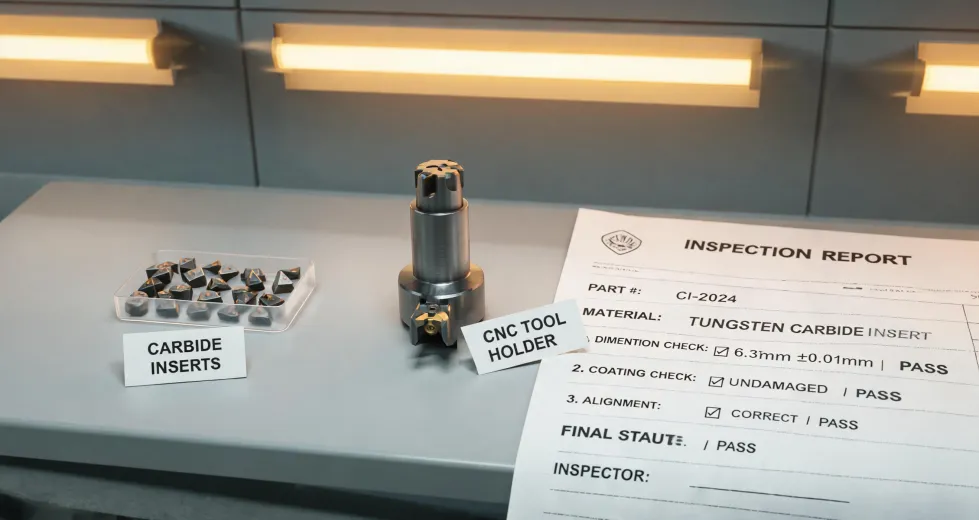
We eventually switched to more wear-resistant carbide inserts for finishing die cavities — I was somewhat skeptical at first, but die life nearly doubled compared to our previous setup. The surface finish on the die blocks made a difference I didn't expect.
"Don't calculate cost per die. Calculate cost per good part produced — that's the number that actually bites you."
Scenario B: Low-Volume, High-Mix, or Prototype Production
This scenario is the exact opposite of the first one. If you're running 5,000 to 30,000 parts per year — or you change part designs frequently — durability is the last thing you should optimize for.
Flexibility is everything.
I got this wrong early on, too. We bought a hardened steel die set for $28,000 for a part that only ran 8,000 pieces annually. The design changed three times in six months. We couldn't modify the die without significant cost, so we ended up scrapping it and starting over each time. That's $11,000 in re-tooling over three months.
Looking back, the hardened tool steel was the wrong call for that volume. Materials like 4140 pre-hardened steel, heat-treated to around 28-32 HRC, are usually sufficient for short-run production and are far easier to machine and modify. You also save significant die-making time because you're not fighting hardened material during the machining process.
Here's the counterintuitive part of this scenario: many shops buy used dies for low-volume work. I used to think that was smart. Then I learned that used dies often have shifted geometry and out-of-spec tolerances that cost more to rework than buying a modified stock die. I avoid that route now unless I can measure every critical dimension myself — and I mean every one.
Scenario C: Automotive Aluminum Extrusions and Aluminum Stamping
Aluminum changes everything. If you're stamping automotive aluminum extrusions or aluminum sheet, half of what you know from steel doesn't apply.
Aluminum is softer, gummier, and more prone to adhesion — which causes problems both on the die surface and on your cutting tools. I ran a steel setup on aluminum once and ended up with severe built-up edge on the die. Cost me $4,500 in rework. That was March 2022. I still remember the invoice.
What works for aluminum stamping: dedicated lubrication systems, coated die surfaces (nitriding helps, though I'm not 100% sure it's the best option for every alloy), and making sure your carbide tooling is polished and has the right geometry for aluminum chip flow. You can't just use your steel parameters and hope for the best.
Springback is another massive issue with automotive aluminum extrusions. The same die concept that works for steel will almost certainly fail for aluminum unless you account for greater springback compensation in the die design itself.
One more thing I've noticed: many automotive stamping plants underestimate how quickly aluminum wears dies. Aluminum reacts with die surfaces differently than steel does. Plan for more frequent maintenance, or invest in wear-resistant inserts for critical die sections. The cost is real, but so is the downtime you avoid.
How to Tell Which Scenario You're In
This is probably the most practical part of the whole article. You only need to answer three questions:
- What's your annual volume? Under 300,000 parts, you're probably in Scenario B or C (depending on material). Above that, think Scenario A.
- What's your primary material? If more than 40% of your work is aluminum, Scenario C needs your attention. Aluminum and steel die needs are different enough that mixing them up will cost you.
- How often do you modify dies? If it happens more than twice a year, you should seriously question whether hardened tooling or long-life die materials are worth the investment. Run the numbers on flexibility instead.
One scenario I didn't cover: hybrid high-volume aluminum stamping. That's a different beast, and it probably deserves its own article. Take this with a grain of salt if you're in that situation — talk to someone who's specifically done high-volume aluminum automotive stamping before committing to a die strategy.
I still keep a checklist from 2021. We've caught 47 potential issues in the past 18 months using it. Not because the checklist is sophisticated, but because it forces me to ask which scenario I'm in before I sign anything.
If you're working through an automotive stamping plant and you're still figuring out your setup, sometimes the right move is just mapping your scenario first before you spend a dime. I wish I had done that earlier.
I still kick myself for the 2021 decision where I let a vendor talk me into a "one-size-fits-all" approach for our die and tooling program. If I'd stuck to my own framework, we'd have avoided the $23,000 lesson. But that's why I write this stuff down now.
My view on the pricing side: in my experience managing these projects, the lowest quote has cost us more in 60% of cases. Not always. But enough that I no longer lead with price. I lead with scenario fit, then work backward to cost.
It's not about finding the cheapest die. It's about knowing which scenario you're buying for.