Kennametal Supplier Comparison: Cheap vs. Reliable—What I Learned the Hard Way
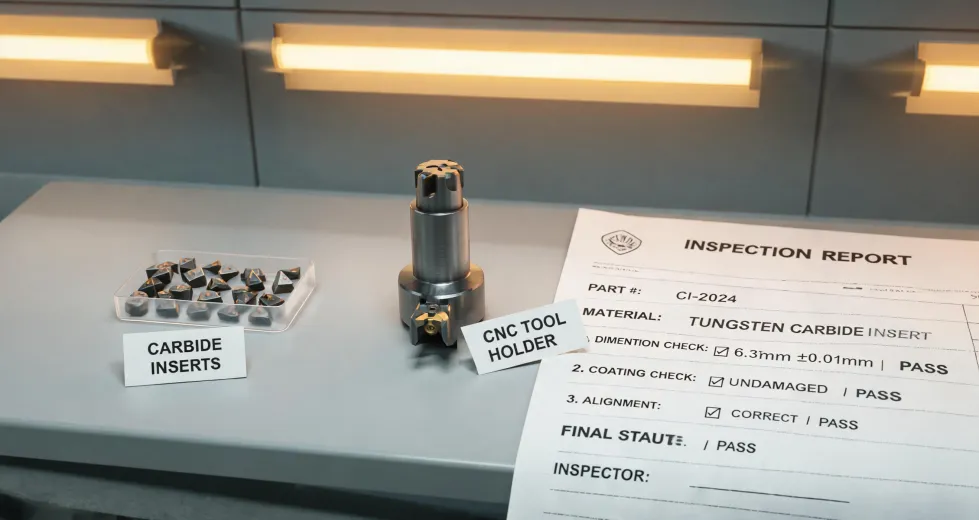
I've been handling custom machining orders for eleven years. In that time, I've bought Kennametal tooling from budget online listings, from authorized distributors, and from a few gray-market sources I'd rather forget. My first major mistake came in 2017, when a $3,200 order of inserts looked perfect on paper. It wasn't. That's when I learned to compare suppliers properly—not just tool prices.
This article compares two ways of buying Kennametal products. Option A is the cheapest source you can find: lower price, but vague lead times and no application support. Option B is a supplier who commits: a genuine Kennametal supplier with inventory, technical help, and clear rush options. I'll compare them on price, delivery certainty, quality support, and total cost. If you're searching for Kennametal drill bits and wondering which listing to trust, this is the framework I use now.
Price: The Sticker Price Trap
Most buyers focus on per-unit pricing and completely miss setup fees, freight, minimum order quantities, and rework. I know because I did exactly that.
The cheapest listing for Kennametal drill bits or inserts isn't always cheap by the time it reaches your machine. In 2017, I ordered 400 inserts from a low-cost listing because the price was 15% lower than our regular Kennametal supplier. The coating wasn't consistent across the batch. Actually, not every insert was bad—maybe 30% failed early. But when 400 parts are in production, 30% is enough to stop the line. That error cost $890 in redo, plus a one-week delay. The surprise wasn't the price difference. It was how quickly the savings disappeared.
The question everyone asks is "What's your best price?" The question they should ask is "What's included in that price?" That single change would have saved me a lot of embarrassment in 2017.
Delivery Certainty: The Part I Underestimated
From the outside, it looks like any supplier can rush an order. The reality is rush orders require different workflows: inventory sitting on the shelf, people who answer after hours, and shipping contracts that guarantee space. If a supplier doesn't have those, they can't meet your deadline—no matter what they promise.
In September 2022, a customer of ours—a North Carolina injection molding services company—had a mold crash on a Tuesday afternoon. They needed a replacement end mill in three days, not ten. Our usual budget source said "probably by Friday," which meant Monday, which meant missing their customer's production window. We paid $400 extra for expedited delivery through a supplier with confirmed stock. The alternative was a $15,000 order slipping. That $400 bought certainty. It wasn't a markup; it was insurance.
A month later, a mining CNC machining facility in Illinois taught me the same lesson. They were using Kennametal drill bits in a demanding wear application, and insert life was all over the place. The cheap replacement source didn't have the specific grade and didn't offer any help. Their actual Kennametal supplier sent a rep who checked speeds, feeds, and coolant concentration. The fix didn't just improve tool life—it kept the job on schedule.
In a rush, "probably on time" is the biggest risk you can take.
Quality Support: The Part You Can't See in a Photo
People assume the lowest quote means the vendor is more efficient. What they don't see is which costs are hidden or deferred. A Kennametal drill bit is more than a piece of carbide. Geometry, coating, and grade all depend on your setup. If the person selling it can't tell you the recommended cutting data, you're not buying a solution; you're buying a gamble.
Gray-market listings often look identical online: same part number, same photos, maybe a slightly better price. But you won't know if you're getting first-quality material until it's in the spindle. A genuine Kennametal supplier can usually provide certificates, check stock across multiple warehouses, and tell you if a substitute grade is a good idea. That support is hard to measure, but it shows up in your scrap rate and your on-time delivery.
Most buyers focus on the brand name and completely miss the true cost per hole or per part. Tool life, edge chipping, and repeatability can turn a "cheap" Kennametal insert into the costliest option.
Total Cost: The Comparison That Actually Matters
What I mean by total cost is the number after you add freight, minimum orders, setup fees, rework, downtime, and the cost of explaining to your own customer why something is late. In a 2024 estimate for our shop, the "economical" option added 30% once I counted split shipments and a weekend of unplanned overtime.
Rush pricing follows a pretty consistent pattern. Fee structures I checked in January 2025: next-business-day service typically runs 50-100% above standard, and 2-3 day rush runs 25-50% above standard. That sounds like a lot until you calculate the cost of a CNC machine sitting still or a customer deadline slipping. An hour of downtime can eat the difference.
This isn't unique to machining. Ask someone researching how much does it cost for CO2 laser treatment, and they'll get the same advice: the lowest initial quote often ignores consultation, aftercare, or the follow-up session that turns out to be necessary. Strange comparison? Maybe. But the principle is the same. The cheapest front-end price can be the most expensive decision if you don't count what happens after.
What I Actually Recommend Now
So which option should you choose? It depends on your situation.
If you have schedule buffer, a non-critical application, and a clear specification, a budget Kennametal supplier can work. Order early, inspect the parts when they arrive, and don't expect much hand-holding.
If a deadline matters, if downtime is expensive, or if you're not 100% sure which grade you need, choose the supplier who commits. Paying extra for guaranteed stock and real support is the difference between a known outcome and a hope. In those moments, the premium is the cheapest insurance you can buy.
Here's the checklist I wish I'd had in 2017:
- Confirm the exact Kennametal part number and grade before ordering.
- Ask for the lead time in writing, and ask what happens if the supplier misses it.
- Estimate the cost of one late day before you compare quotes.
- Get application support if the job isn't identical to something you've run before.
After the third rejection in Q1 2024, I turned this into a pre-check list for our team. In the past 18 months, it's caught 47 potential errors—wrong grades, wrong coatings, impossible lead times. I'm not saying every cheap supplier is a trap. I'm saying that when you compare suppliers, compare the whole deal. Price matters. Certainty matters more when the clock is running.