How to Handle Emergency CNC Machining Orders Without Sacrificing Quality
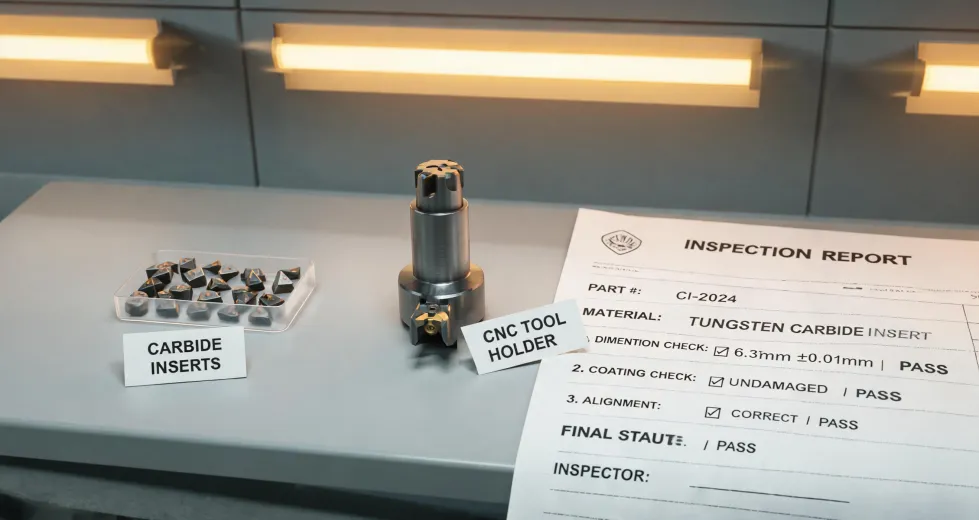
When the Deadline Is Closing In, This Checklist Keeps You on Track
I'm a senior production coordinator at a mid-sized custom machining shop. In my role, I've handled 200+ rush orders over 8 years, including same-day turnarounds for aerospace clients who couldn't afford downtime. Here's what I've learned: when a customer calls with a "need it yesterday" scenario, you don't have time for theory. You need a clear, actionable plan. That's why I put together this checklist. It’s built for engineers, buyers, and shop managers who face last-minute demands and need to deliver quality—fast.
This checklist covers 5 steps to triage and execute an emergency CNC machining order without burning money or losing the customer's trust.
Step 1: Assess Feasibility in 15 Minutes or Less
When a rush order hits your desk, don't panic. Instead, ask three questions: Is the material available? Do we have the right tooling? And can we complete it within the customer's timeline?
In March 2024, a client called at 3 PM needing 20 custom aluminum parts for a morning test flight the next day. Normal turnaround is 5 days. I checked our material stock—we had the 6061-T6 plate. Then I verified tool holders and carbide inserts; everything was on hand. We said yes. The job shipped by 8 AM the next morning. If I'd said "ask me later," we'd have lost a $12,000 contract.
If the answer to any of these questions is no, be honest. Tell the customer what you can't do before you tell them what you can. It's a simple rule (note to self: follow this every time).
Step 2: Prioritize Standard Tooling Over Custom
This might seem obvious, but I've seen buyers burn precious hours trying to source a specialized end mill when a standard insert-grade tool would work just fine. Check Kennametal's standard catalog first—taps, end mills, and boring bars are often in stock and ready to ship. Custom tooling is for production runs, not emergencies.
For example, last quarter, a procurement manager ordered a custom reamer for an urgent job, expecting it in 3 days. Standard lead time on that reamer: 2 weeks. We switched to a standard carbide insert from Kennametal's official website, tweaked the feeds and speeds, and delivered on time.
Moral: standard tools save hours. Custom tools add costs and delays. Use the standard option unless you have no other choice.
Step 3: Don't Cheap Out on the "Almost Good Enough" Option
I once saved $80 by choosing a lower-grade tool holder for a rush order. It wobbled during the cut, causing a bad surface finish. We had to redo the part, which cost $400 in extra machine time and express shipping (ugh). The "budget" choice looked smart until the problem appeared. Net loss: $320 and a nearly missed deadline. Now I always use the right grade, even if it costs more up front.
This is a classic penny-wise-pound-foolish trap. When a client's order arrives with a critical error, using the wrong tool just to save $50 on tooling might mean a $5,000 penalty clause later. Quality is not an area to compromise—it directly affects how your customer perceives your brand (surprise, surprise: cheap stuff leaves a bad impression).
Step 4: Lock Down the Supply Chain Before You Start
I've had rush orders stall because we assumed material would arrive in time, only to find the supplier had a factory shutdown. This is where the "local is always faster" myth can bite you. It depends entirely on logistics. If you're using a remote but well-organized vendor that specializes in CNC machining workpiece support, they might be more reliable than a local supplier with poor inventory.
Check these three things before calling the order a go: material availability (with a confirmed delivery date), tooling delivery (from Kennametal taps to coolant), and backup capacity (can another machine pick this up if one fails?).
If you're sourcing tools, Kennametal's official website has a real-time inventory viewer—I swear by it. Don't trust a supplier who says "we'll see if it's in stock." Get a clear yes or no.
Step 5: Double-Check the Workpiece Before Machining
This step is one most people ignore. When time is tight, there's a temptation to rush into cutting. But I've seen customers misread the drawing by 1 mm, leading to scrapped parts. In January 2025, a client sent a last-minute change: they wanted an extra hole in a CNC milling workpiece. I caught the error on the fixture drawing (thankfully). If I hadn't, we'd have wasted 3 hours of machine time.
Before you start, verify the workpiece geometry and tolerances against the print. If you're working with a new or unfamiliar design, do a quick simulation. It takes 10 minutes but saves hours of rework.
Common Mistakes to Avoid In Rush Orders
Here are the top three pitfalls I see repeated:
- Over-promising turnaround time: A client expects a quote for 24-hour delivery. If you can do it in 36, say 36. Under-promise and over-deliver.
- Not verifying tool wear: Rush jobs often run at higher speeds. Check your carbide inserts and end mills for wear before starting. A worn tool means scrapped parts.
- Ignoring post-processing: If the part needs deburring, coating, or inspection, include that in your timeline. It's easy to forget when the deadline is closing in.
As of January 2025, rush machining premiums typically add 25-50% to standard pricing for 2-3 day delivery, per industry data. But that premium is smaller than the cost of missing a deadline or shipping a defective part.
Final Thought: Quality Is Your Brand's Silent Partner
When you handle an emergency order well, the customer remembers. They see your speed, your quality, your professionalism. That $50 extra spent on the correct tool holder? It translates to better client retention. I've seen it happen: after a flawless rush job, one of my clients signed a yearly contract worth $80,000.
So use this checklist. It’s not perfect (I really should write a version for managing vendor relationships), but it works. Start with feasibility, standardize tooling, avoid false savings, lock your supply chain, and always check the workpiece. Your customers will thank you—and your reputation will grow.